
How Trusted Coin Professionals Help Investors Preserve Wealth and Build Valuable Collections
Precious metals and rare coins have maintained strong investment appeal for generations because they combine historical importance with lasting financial value. Investors often turn to gold, silver, and collectible coins during periods of economic uncertainty because physical assets provide tangible ownership and portfolio diversification. Unlike digital investments or paper-based financial instruments, precious metals offer a sense of stability that many individuals find reassuring during inflationary conditions and market volatility. Professional coin dealers play an important role in helping buyers understand pricing structures, authentication standards, and long-term investment strategies. Investors who work with experienced professionals often gain greater confidence because they receive reliable guidance regarding product quality, market trends, and wealth preservation opportunities. This growing interest in physical assets reflects broader concerns about economic uncertainty and long-term financial security.
Why Professional Coin Dealers Matter in Precious Metals Investing
Professional coin dealers provide specialized expertise that helps investors navigate complex markets while avoiding costly mistakes. Reputable businesses evaluate authenticity, explain grading standards, and educate buyers about the differences between bullion products and collectible assets. Investors benefit from transparent communication regarding pricing, premiums, rarity, and long-term resale potential associated with different products. Experienced dealers also maintain relationships with recognized grading organizations and trusted suppliers to ensure product quality and authenticity. Buyers who work with established professionals frequently feel more confident because they receive personalized guidance tailored to individual financial goals and risk tolerance. Reliable dealers focus on long-term customer relationships built through trust and education rather than aggressive sales tactics. Their expertise becomes especially valuable for individuals unfamiliar with precious metals markets, authentication processes, and strategic portfolio diversification techniques.
Understanding the Growing Demand for Precious Metals
Economic uncertainty, inflation concerns, and financial market volatility have increased global interest in precious metals investing. Gold and silver continue attracting investors because they have historically preserved purchasing power during unstable economic periods. Many individuals appreciate the security associated with physical ownership because precious metals remain valuable regardless of changing financial systems or digital infrastructure. Investors often use precious metals to diversify portfolios and reduce exposure to traditional market fluctuations affecting stocks and bonds. Professional dealers help buyers understand how economic conditions influence pricing trends, product demand, and investment opportunities. Educational support allows investors to make disciplined decisions instead of reacting emotionally to temporary market movements or sensational headlines. The long-standing reputation of precious metals as stores of value continues supporting strong investor demand within evolving global financial environments and uncertain economic conditions.
Benefits of Working With a Local Coin Dealer
Local coin dealers provide personalized service and direct communication that many investors value highly when purchasing valuable assets. Face-to-face interactions allow customers to inspect products, ask detailed questions, and build long-term professional relationships based on trust and transparency. Investors searching for a dependable coin dealer in east islip often prioritize reputation, ethical business practices, and knowledgeable customer support before making investment decisions. Established local businesses rely heavily on community trust and repeat customers, encouraging honest communication and consistent service quality. Buyers also benefit from easier access to appraisals, collection evaluations, and future resale opportunities through nearby professionals. In-person consultations help investors discuss goals, concerns, and budget considerations more effectively than remote transactions often allow. Local expertise and personalized guidance create greater confidence for both beginner and experienced precious metals investors.
Gold as a Reliable Long-Term Investment Asset
Gold has maintained global recognition as a dependable store of value for centuries because of its scarcity, durability, and universal demand. Investors often purchase gold during inflationary periods or economic instability because they view it as protection against currency devaluation and financial uncertainty. Professional dealers explain differences between gold bullion bars, coins, and fractional pieces while helping buyers identify products aligned with personal financial objectives. Gold also offers strong liquidity because recognized products are widely accepted within international markets. Many investors gradually accumulate gold over time to support long-term wealth preservation and portfolio diversification strategies. Experienced dealers educate customers about market behavior, pricing trends, storage considerations, and resale opportunities. This guidance helps investors maintain realistic expectations while avoiding emotional decision-making driven by short-term market fluctuations or speculative financial news.
Why Silver Remains Popular Among Modern Investors
Silver continues attracting investors because it combines affordability with strong industrial and investment demand. Many individuals choose silver as an accessible entry point into precious metals investing because it requires less initial capital compared to gold purchases. Professional dealers frequently recommend silver bullion products for buyers interested in flexible portfolio growth opportunities and gradual diversification strategies. Industrial uses in electronics, renewable energy, and manufacturing sectors contribute to consistent market activity and long-term demand potential. Investors appreciate the liquidity associated with widely recognized silver coins and bars traded globally. Dealers explain pricing volatility, premium structures, and storage considerations so customers can make informed purchasing decisions suited to personal financial goals. Silver’s balance between affordability and investment value continues making it attractive for both first-time buyers and experienced investors seeking diversified wealth preservation strategies.
Rare Coins and the Appeal of Numismatic Investing
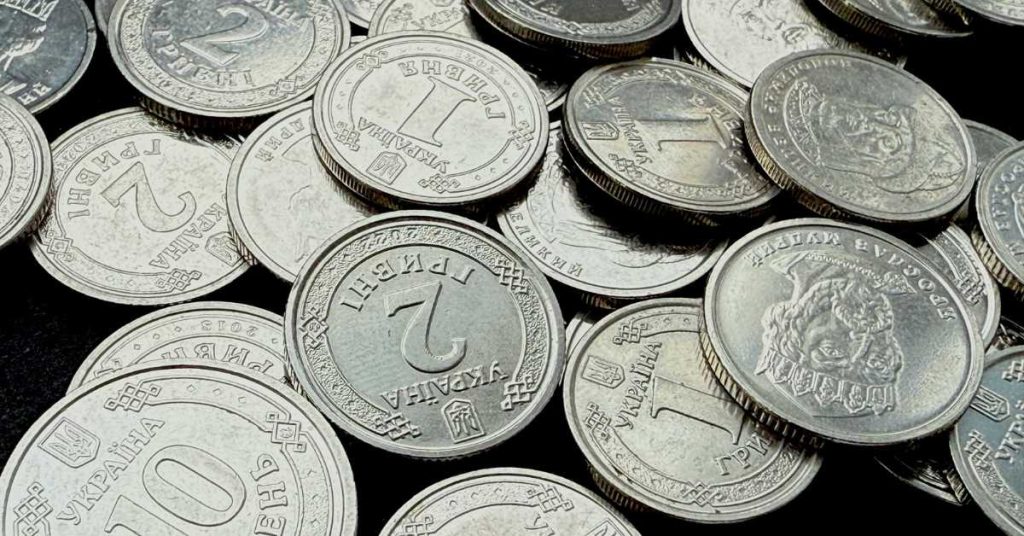
Rare coins offer unique investment opportunities because their value often depends on rarity, condition, collector demand, and historical significance rather than metal content alone. Investors interested in numismatic assets frequently appreciate the combination of history, artistry, and financial appreciation potential associated with collectible coins. Professional dealers help buyers understand grading systems, authentication standards, and preservation techniques that influence long-term value. Coins connected to important historical periods or limited production runs often attract strong collector interest and premium pricing. Experienced dealers educate customers about market demand, rarity factors, and realistic appreciation expectations before purchases occur. Collectors also enjoy the educational aspect of studying historical events and cultural significance associated with rare coins. Reliable dealer guidance helps investors avoid counterfeit products and overpriced items while supporting informed decision-making within specialized numismatic markets and evolving collectible investment environments.
Building a Diversified Precious Metals Portfolio
Diversification remains a critical principle in successful financial planning, and precious metals can contribute significantly to balanced investment strategies. Investors often combine gold, silver, platinum, and collectible coins to reduce exposure to volatility affecting individual asset categories. Professional dealers assess customer goals, risk tolerance, and financial priorities before recommending portfolio allocation approaches suited to long-term objectives. Some investors prioritize wealth preservation, while others seek collectible appreciation or flexible liquidity opportunities. Diversified holdings may improve portfolio resilience because different metals often respond differently to changing economic conditions and financial market trends. Dealers encourage disciplined purchasing strategies rather than impulsive decisions driven by fear or speculation. Educational guidance helps buyers understand how precious metals complement traditional investments such as real estate, stocks, and bonds. Balanced diversification strengthens financial flexibility and supports long-term wealth management across uncertain economic environments.
Understanding Precious Metals Pricing and Premiums
Precious metals pricing involves several important factors beyond current spot market values. Dealers account for manufacturing costs, distribution expenses, rarity, and market demand when determining product premiums. Bullion bars generally carry lower premiums because their value depends primarily on metal content, while collectible coins may command higher prices due to rarity or historical importance. Professional dealers explain these pricing structures clearly so customers understand why products differ significantly in cost. Investors who understand spot pricing and premiums make more informed purchasing decisions while maintaining realistic expectations regarding market performance. Transparent pricing practices also strengthen trust between dealers and buyers because customers gain clarity regarding investment value and associated costs. Reliable dealers prioritize honesty and education while helping investors identify products aligned with both financial goals and personal collecting interests within evolving precious metals and numismatic markets.
Secure Storage and Asset Protection Planning
Secure storage represents a critical aspect of precious metals ownership because investors must protect physical assets from theft, damage, and environmental deterioration. Professional dealers often educate customers about home safes, insured depositories, and private vault services suitable for storing bullion products and collectible coins. Rare coins may require specialized handling and protective materials because condition strongly influences numismatic value. Investors should also maintain organized records, authentication certificates, and purchase documentation to support future resale or inheritance planning. Buyers who prioritize secure storage and proper asset management typically preserve portfolio quality more effectively over time. Experienced dealers explain the advantages and limitations associated with different storage methods while helping customers select practical solutions aligned with portfolio size and personal preferences. Thoughtful asset protection planning contributes directly to long-term financial security and successful precious metals ownership experiences.
How Economic Trends Influence Precious Metals Markets
Global economic conditions strongly influence precious metals demand and pricing behavior across international financial markets. Inflation concerns, geopolitical tensions, interest rate changes, and currency fluctuations frequently increase investor interest in physical assets capable of preserving purchasing power. Gold and silver often attract attention during uncertain periods because they have historically maintained value under challenging economic conditions. Professional dealers monitor market developments carefully while helping customers interpret trends realistically instead of emotionally. Investors benefit from understanding how government policies, central bank decisions, and international events affect metals pricing and market demand. Dealers encourage long-term planning rather than speculative behavior driven by short-term headlines or temporary market excitement. Precious metals may not guarantee rapid profits, but their historical role in wealth preservation continues supporting strong global investor interest and long-term financial diversification strategies.
The Importance of Education in Coin Collecting and Investing
Education remains one of the most valuable resources for successful precious metals investing and rare coin collecting. Buyers who understand grading standards, authentication procedures, and market terminology make more informed decisions while reducing unnecessary risks. Professional dealers frequently provide educational guidance explaining bullion products, collectible categories, preservation methods, and long-term market behavior. Investors also benefit from learning about liquidity, storage planning, and pricing trends before making significant purchases. This knowledge encourages realistic expectations regarding market fluctuations and collectible appreciation opportunities. Dealers committed to customer education typically prioritize transparency and long-term relationships instead of focusing solely on immediate transactions. Educational support becomes especially important for beginners entering numismatic markets for the first time. Investors who approach the market strategically and patiently often build stronger portfolios capable of supporting long-term financial security through evolving economic environments.
Comparing Bullion Products and Collectible Coins
Bullion products and collectible coins serve different purposes within precious metals investment strategies. Bullion derives value primarily from metal content and market pricing, making it attractive for wealth preservation and liquidity purposes. Collectible coins, however, may appreciate based on rarity, condition, collector demand, and historical importance rather than metal value alone. Professional dealers help buyers evaluate which category aligns most effectively with personal financial objectives and investment preferences. Some investors prefer bullion because pricing remains closely connected to global metals markets, while others appreciate the historical and collectible appeal associated with rare numismatic assets. Diversified portfolios sometimes include both categories to balance stability with appreciation opportunities. Dealers educate customers about authentication standards, grading systems, and resale considerations relevant to each investment type. Understanding these distinctions supports informed purchasing decisions and stronger long-term investment planning within evolving precious metals markets.
Reputation and Trust Within the Coin Industry
Trust represents one of the most important factors when selecting a coin dealer because investors rely heavily on professional expertise and ethical business practices. Established dealers build strong reputations through transparent pricing, consistent customer service, and honest communication developed over many years of operation. Investors often research customer reviews, professional affiliations, and industry credentials before choosing where to purchase rare coins or precious metals products. Reliable dealers explain product quality, pricing structures, and market conditions clearly without relying on high-pressure sales techniques or unrealistic promises. They also maintain relationships with recognized grading organizations and trusted suppliers to ensure accurate authentication and reliable product standards. Investors who prioritize dealer reputation often experience smoother transactions and greater peace of mind throughout the buying process. Long-term trust benefits both dealers and buyers by encouraging repeat business, referrals, and continued educational support within the precious metals community.
Precious Metals and Retirement Diversification Strategies
Many investors include precious metals within broader retirement planning strategies designed to preserve purchasing power and reduce exposure to market volatility over time. Inflation concerns and economic instability have encouraged individuals to diversify beyond traditional financial assets such as stocks and bonds. Gold and silver may provide balance because they often behave differently during market downturns affecting conventional investments. Professional dealers explain how physical metals can complement retirement objectives while supporting long-term wealth preservation strategies. Some investors gradually accumulate metals over several years to reduce market timing risks and maintain disciplined financial habits. Dealers also discuss liquidity planning, storage considerations, and future resale opportunities to help buyers prepare effectively for retirement needs. Precious metals may not replace traditional retirement investments entirely, but they often contribute valuable diversification and financial stability within comprehensive long-term planning strategies.
Younger Investors and the Renewed Interest in Rare Coins
Younger generations have shown growing interest in precious metals and rare coins as awareness of economic uncertainty and alternative investing strategies continues increasing. Many younger investors appreciate physical assets because they provide tangible ownership independent of digital financial systems and rapidly changing technology markets. Social media platforms, online educational resources, and broader access to market information have contributed to rising interest in bullion products and collectible coins among younger audiences. Professional dealers adapt by offering educational guidance, transparent pricing, and flexible purchasing options suited to smaller investment budgets. Silver products and entry-level collectible coins frequently appeal to first-time buyers interested in gradual diversification and long-term financial security. Dealers who prioritize education and honest communication help younger investors develop realistic expectations regarding market behavior, wealth preservation, and responsible investment planning strategies within evolving economic environments.
Authentication and Professional Grading Standards
Authentication plays a critical role within the precious metals and numismatic industry because counterfeit products can create serious financial risks for buyers. Reputable dealers use professional verification methods and maintain relationships with recognized grading organizations to confirm product authenticity and condition accurately. Investors should understand the importance of certifications, assay documentation, and professional grading labels when purchasing valuable assets. Experienced dealers educate customers about packaging standards, inspection techniques, and reputation indicators supporting reliable product identification. Authentication becomes especially important for rare coins because even small differences in condition or legitimacy can significantly influence market value. Buyers who prioritize professionally verified products reduce unnecessary risks while improving future resale opportunities. Professional grading services also strengthen investor confidence because documented authenticity provides reassurance for both current ownership and potential future transactions within competitive numismatic and precious metals markets.
Common Mistakes First-Time Buyers Should Avoid
First-time precious metals investors sometimes make avoidable mistakes because they lack familiarity with market dynamics and product categories. Emotional purchasing decisions driven by fear or sensational media coverage can lead to unrealistic expectations and poor financial outcomes. Some buyers also fail to research dealer reputation carefully before investing, increasing exposure to overpriced or counterfeit products. Professional dealers help customers avoid these risks through educational guidance, transparent communication, and realistic market analysis. Investors should also avoid concentrating entirely on one product type or metal without considering diversification strategies. Secure storage planning and organized recordkeeping deserve careful attention because documentation supports future resale and inheritance preparation. Buyers who approach precious metals investing strategically and patiently often build stronger portfolios capable of supporting financial stability through changing economic conditions and evolving global markets.
The Future of Coin Collecting and Precious Metals Investing
The future of precious metals investing and rare coin collecting remains strong as economic uncertainty, inflation concerns, and changing financial systems continue influencing investor behavior worldwide. Gold and silver maintain respected reputations as long-term stores of value capable of supporting diversified financial strategies across generations. Rare coins also continue attracting collectors who appreciate historical significance alongside financial appreciation opportunities. Professional dealers remain essential because buyers still require trusted guidance regarding authentication, pricing, storage, and market trends. Investors who prioritize education, patience, and reputable dealer relationships often position themselves more effectively for sustainable financial growth and long-term security. Educational resources such as precious metals investment research also provide valuable insights into market behavior and diversification strategies. Careful planning and informed decision-making continue supporting successful participation within the evolving precious metals and rare coin investment industries.